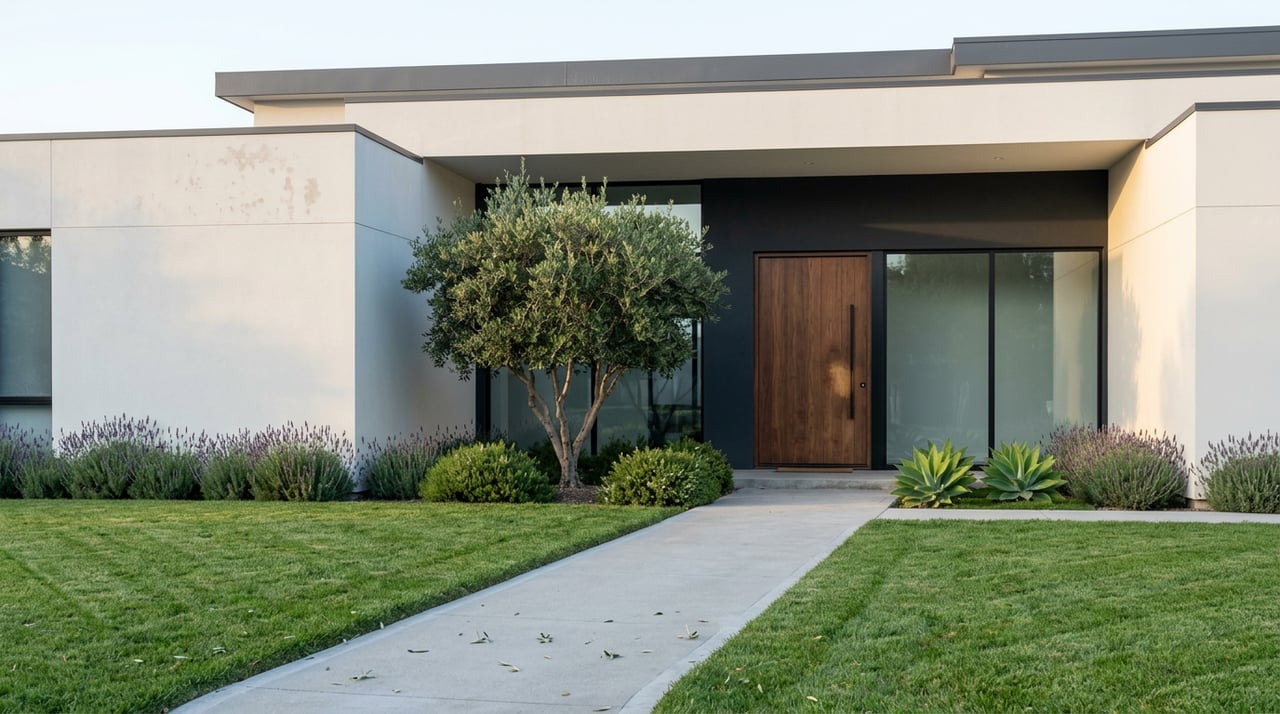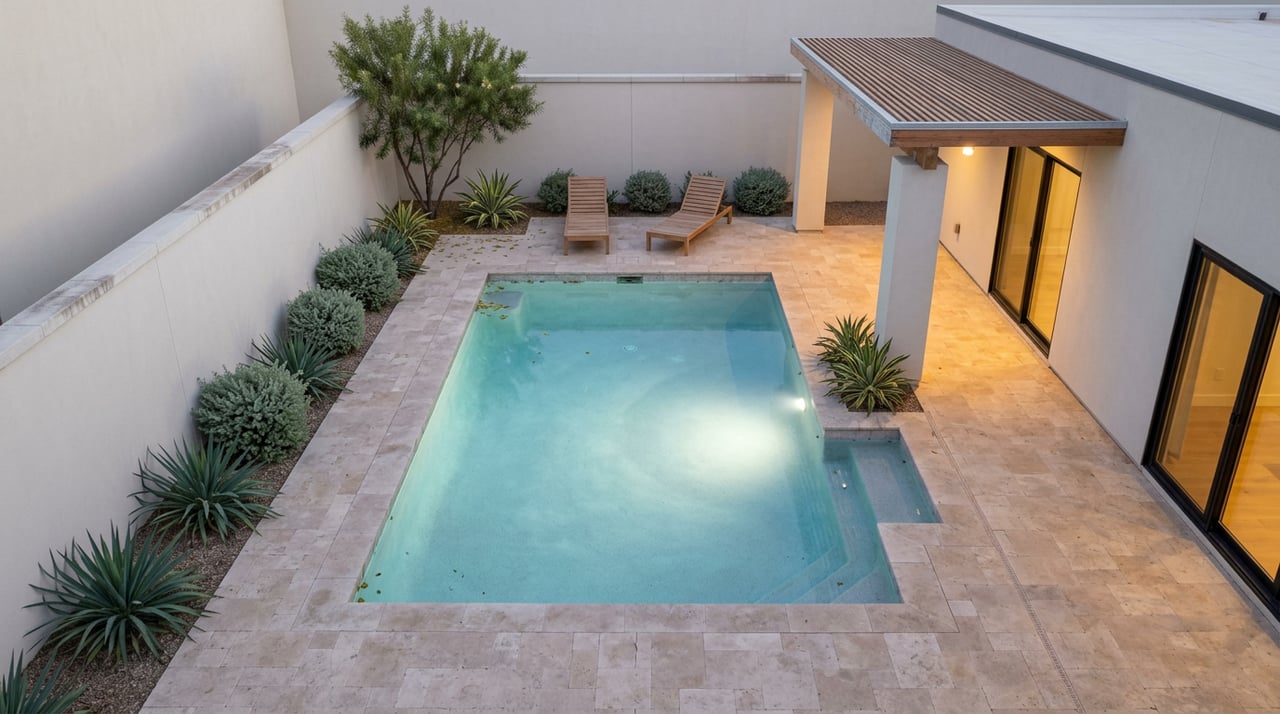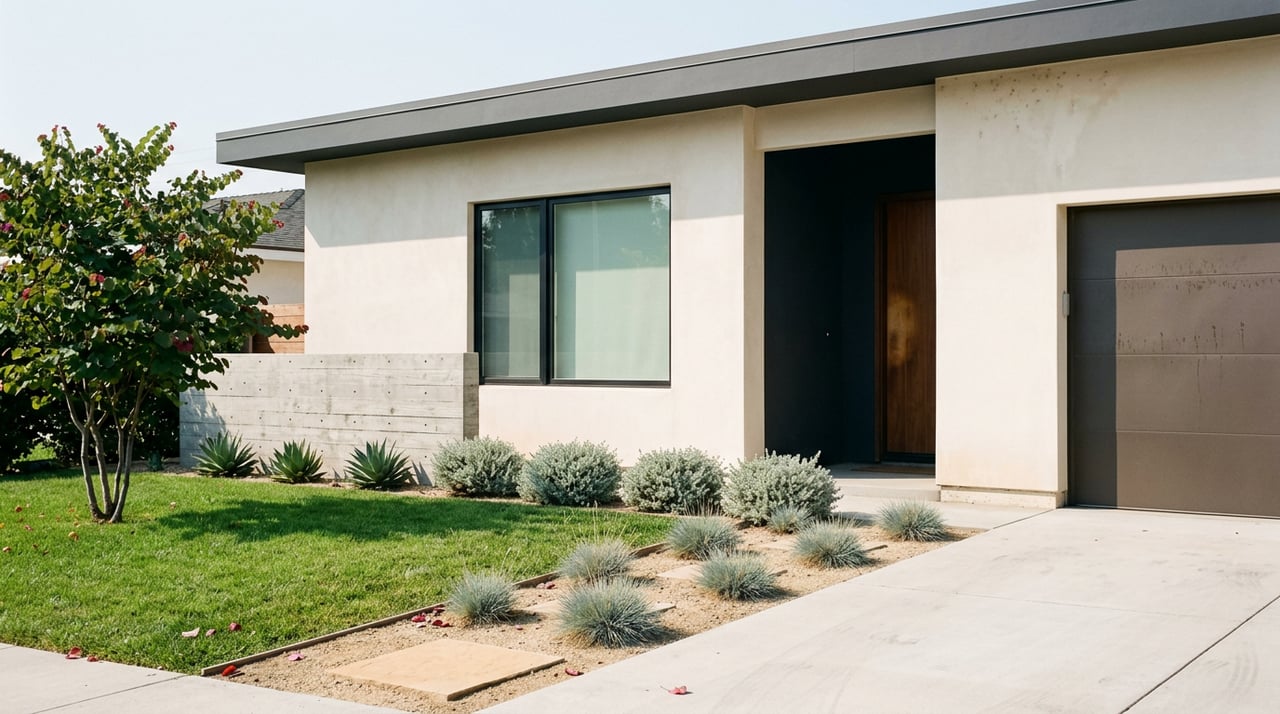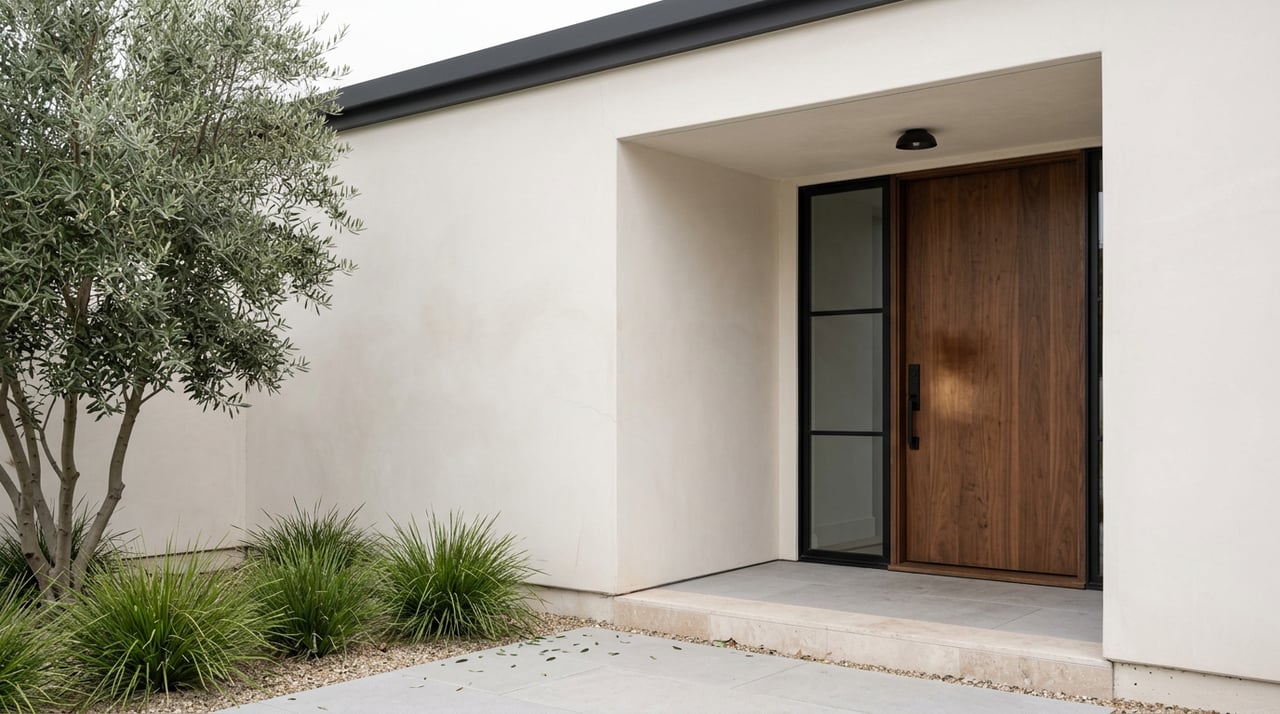
Pull up two Temecula listings priced within a few thousand dollars of each other, one in Sommers Bend and one in Paloma Del Sol, and the comparison looks clean. Same city, similar square footage, similar school district, similar sticker price. Nothing on the listing page tells you that one of these buyers is about to sign up for a tax bill that runs $200 to $300 higher every single month than the other, for as long as they own the house.
That gap has a name: Mello-Roos, formally a Community Facilities District, or CFD. It shows up as its own line on the property tax bill, separate from the standard rate, and it does not track with what the house is worth. It tracks with which subdivision the house sits in and when that subdivision's infrastructure bonds were sold. Two homes at the same price can carry very different real costs, and the median price everyone quotes never mentions it.
Why Temecula has so much of this in the first place
Proposition 13 capped California property tax growth back in 1978, which protected homeowners from runaway bills but also left cities short on the money needed to build roads, schools, and parks in newly developed land. The workaround, created by the Mello-Roos Community Facilities Act of 1982, lets a developer or local agency form a district, sell bonds against future tax revenue, and pass the repayment on to whoever eventually buys the homes. The developer is almost always the one who votes the district into existence, since they own all the land before a single house goes up. By the time a buyer shows up, the tax is already baked in.
That single fact explains the entire pattern in Temecula. Anything built as a large master-planned tract after 1990 was almost certainly financed this way. Anything older, or anything that predates the tract-building boom, usually was not.
What it actually costs, neighborhood by neighborhood
Local guides that track Temecula's CFDs consistently point to the same range: most homes built after 1990 carry an annual Mello-Roos assessment somewhere between $1,000 and $3,700, with the newest, most amenity-heavy communities at the top of that range and older 1990s-era tracts near the bottom. Where a specific neighborhood lands inside that range varies enough to matter.
| Community | Reported annual Mello-Roos | Added monthly cost |
|---|---|---|
| Sommers Bend | roughly $3,300–$3,700 | about $275–$308 |
| Lake Harveston | roughly $1,800–$2,000 | about $150–$167 |
| Roripaugh Ranch | roughly $1,900 | about $158 |
| Paloma Del Sol | under $1,000 | under $83 |
| Crowne Hill | little to none | negligible |
| Old Town, Meadowview, Los Ranchitos, The Villages, parts of Rancho Highlands | little to none | negligible |
Treat these as a planning range rather than this month's exact invoice. Mello-Roos assessments carry their own annual escalator, usually a small fixed percentage baked into the original bond documents, so the number creeps upward every year regardless of what the housing market is doing. The only way to know the real figure for a specific address is to pull the parcel's actual tax record before you write an offer, not to average a neighborhood.
The pattern underneath the table is the useful part. Sommers Bend, Temecula's newest planned community, sits at the top because its bonds are the youngest and its amenity list is the longest, a clubhouse, pool, and sports fields that all had to be built from scratch. Paloma Del Sol sits near the bottom because it was built in the 1990s, its bonds are decades into repayment, and its infrastructure was cheaper to finance in the first place. Old Town, Meadowview, Los Ranchitos, The Villages, and the older sections of Rancho Highlands mostly predate the CFD era entirely, so there is often nothing to pay down.
The math that changes what "affordable" means
Add a Temecula home's standard 1.1 percent base rate to a meaningful CFD assessment and the effective rate can climb toward 1.9 percent. On a $775,000 home, a price point close to several of this summer's median reports for the area, that is the difference between an annual tax bill near $8,500 and one closer to $14,700. Spread across twelve months, that is about $517 a month that never shows up when you're comparing list prices side by side.
It also changes what you can borrow. Lenders fold Mello-Roos into your debt-to-income calculation exactly the way they fold in a mortgage payment or HOA dues. A $3,600 annual assessment, close to what a Sommers Bend buyer might see, can reduce a buyer's maximum qualifying loan amount by $50,000 to $60,000. Two buyers with identical income and identical down payments can qualify for meaningfully different purchase prices purely because of which CFD their target neighborhood sits in.
The number that determines your real monthly payment often isn't on the listing at all. It's on the parcel's tax record, and it's worth pulling before the offer, not after the appraisal.
Where this catches people off guard
New construction buyers get some protection here. Builders are legally required to disclose Mello-Roos before the purchase contract is signed, and the disclosure includes the annual escalator and the district's rate and method of apportionment, often shorthanded as the RMA. Resale is where the surprise tends to land. Not every listing agent surfaces the CFD total clearly, and it can sit quietly until a preliminary title report arrives during escrow, by which point a buyer has already fallen for the house.
A few things worth checking before that point:
- Ask for the RMA on any CFD tied to the property. It shows the current annual amount, the built-in escalator, and the bond's maturity year.
- Pull the parcel's actual tax record rather than relying on a neighborhood average, since two homes on the same street can sit in different districts.
- If you're financing, ask early how the assessment factors into your debt-to-income ratio so there are no surprises at underwriting.
- Remember the bond has an end date. Most Temecula CFDs were structured for 20 to 40 years, so current assessments typically retire somewhere between 2035 and 2060 depending on when the district formed, information the Temecula Valley Unified School District publishes for the CFDs it issued.
That last point matters for how long you plan to hold the property. A buyer settling into Paloma Del Sol for the next 20 years is looking at a very different lifetime tax picture than a buyer in Sommers Bend, even if today's monthly gap feels manageable.
What this means if you're comparing neighborhoods right now
Temecula's overall market this summer has been described as balanced, with median values in the high $700,000s to low $800,000s depending on the source and month, inventory that's grown compared to a year ago, and homes still moving in a matter of weeks rather than months. None of those citywide numbers separate homes by CFD status, which means the "deal" on paper can flip once you factor in the tax line. A home priced a little higher in Crowne Hill or one of the older Rancho Highlands pockets might carry a lower true monthly cost than a similarly priced home in a newer tract with a heavier assessment.
Does Mello-Roos ever go away? Yes, once the underlying bonds are repaid, though some districts that fund ongoing services rather than one-time construction can continue indefinitely.
Is any part of it tax deductible? A portion may be deductible if it funds ongoing maintenance or interest rather than new construction, but the recent increase in the SALT cap to $40,000 for 2026 still leaves many California homeowners near their limit before a Mello-Roos deduction becomes meaningful. This is a question for a tax professional, not a blog post.
Does it affect resale value? A heavier assessment can narrow the buyer pool down the road or push a seller toward a price adjustment relative to comparable homes without one, since the next buyer will run the same math you're running now.
The list price gets all the attention because it's the number everyone can see. The CFD line item is the one that actually shapes what a Temecula home costs you every month for as long as you own it, and it deserves the same scrutiny before you write an offer.
If you're weighing a move-up home in Temecula and want the real monthly number, not just the median, Tiffany Williams and the Williams Realty Group team can pull the parcel-specific tax picture and walk it through with HomeSight Mortgage before you fall for the wrong district. Let's Connect.