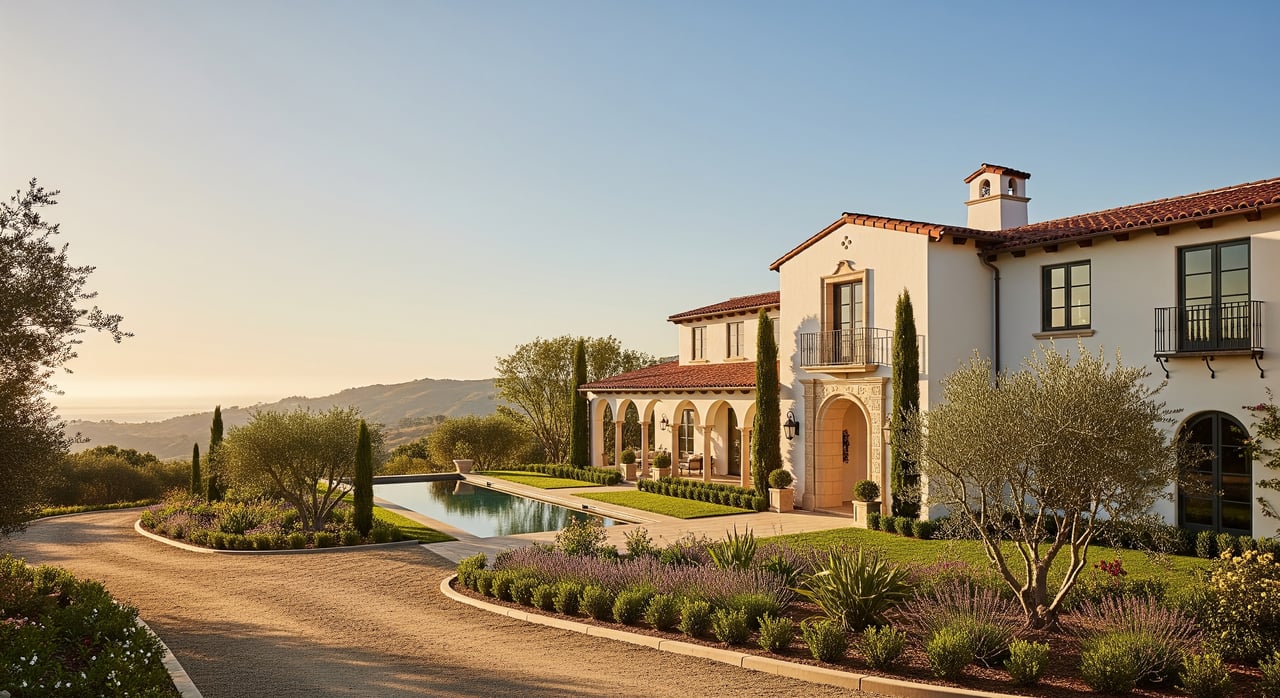
Are you eyeing a Rancho Santa Fe estate and wondering how to finance it? In this market, many homes sit above standard lending caps, which means you’ll likely explore jumbo financing. You want a smooth path to closing, clear answers, and a plan that fits your goals.
In this guide, you’ll learn what a jumbo loan is, how it differs from conforming mortgages, what to expect in Rancho Santa Fe, and how to prepare a strong file. You’ll also get practical steps to speed up closing and make your offer stand out. Let’s dive in.
What is a jumbo loan
A jumbo loan is a mortgage that exceeds the conforming loan limit set by the Federal Housing Finance Agency. Loans above that limit are not eligible for purchase by Fannie Mae or Freddie Mac, so lenders use different rules and pricing.
In Rancho Santa Fe, many properties are luxury estates or custom homes that often require loan amounts above the conforming threshold. Because limits change each year and vary by county and unit count, check the current FHFA conforming limit for San Diego County or ask your lender for the exact number that applies to your property.
How jumbo loans differ
Credit score and history
Jumbo loans typically require strong credit. Many lenders favor scores in the middle to upper 700s for best pricing, and clean histories help. If you have any past credit issues, be ready with documentation and explanations.
Down payment and LTV
Expect higher down payment requirements than conforming loans. For many primary residences, you will see loan-to-value caps around 70 to 80 percent, which means 20 to 30 percent down. Some portfolio or private bank programs may allow higher LTVs with stricter reserve rules or adjusted pricing.
DTI and reserves
Lenders often prefer lower debt-to-income ratios, commonly capping DTI near the low 40s or below. Be prepared to show substantial cash reserves, measured in months of principal, interest, taxes, and insurance. For jumbos, reserve needs can reach 12 months or more depending on the program and risk profile.
Documentation and income verification
Plan for full documentation. That usually includes two years of tax returns, W-2s or 1099s, recent pay stubs, asset statements, and bank statements. If you are self-employed, underwriters may request business tax returns and profit and loss statements. For income like bonuses, investments, or trust distributions, lenders have specific rules. Specialized programs, such as bank-statement or asset-depletion loans, can serve high-net-worth buyers with nontraditional income.
Mortgage insurance
Private mortgage insurance is generally not available for jumbo loans. Instead, lenders manage risk with larger down payments, reserves, or second-lien structures when appropriate.
Rates and product types
Jumbo rates can be similar to or slightly higher than conforming rates based on market conditions and investor appetite. You can choose from fixed-rate and adjustable-rate options. Some lenders also offer interest-only structures, typically with tighter criteria and careful underwriting.
Rancho Santa Fe property factors
Appraisals for luxury estates
High-end and unique Rancho Santa Fe properties can be challenging to appraise. Comparable sales may be scarce, and specialty improvements like equestrian facilities, guesthouses, vineyards, or large garages can be hard to value. Many buyers and lenders prefer appraisers experienced with luxury or estate properties. Consider a pre-purchase appraisal to identify valuation risk early.
Property taxes and assessments
In California, the base property tax is tied to assessed value at transfer, and some areas include parcel taxes, Mello-Roos, or other assessments. Your lender will factor the actual property tax bill into your monthly obligations and reserve calculations. Ask escrow for the latest tax bill and consult the county assessor for exact assessments.
Insurance and hazard risk
Large custom homes in Rancho Santa Fe can have higher replacement costs, and wildfire exposure may elevate insurance requirements. Lenders typically require sufficient hazard coverage and may request extra endorsements or wildfire mitigation steps. If the property has any flood or coastal exposure risk, separate flood insurance could be needed.
Title, easements, and land use
Older estates and large parcels sometimes carry easements, restrictions, or covenants that affect how you can use the land. Your lender will review title closely. Address any issues early so they do not slow underwriting.
Utilities, wells, and septic
Some properties rely on septic systems or private wells. Lenders may ask for inspections or repairs before closing. Build inspection timelines that allow for any needed work.
HOAs and CC&Rs
Some Rancho Santa Fe properties sit within homeowner associations with monthly fees and covenants. These costs affect your debt-to-income ratio and your loan approval. Provide HOA details to your lender upfront.
Get ready to qualify
Pre-approval vs. pre-qualification
For jumbo financing, a formal pre-approval is the gold standard. It means an underwriter has reviewed your credit and income documents and issued a written decision. This gives sellers confidence and reduces surprises during escrow.
Choose the right lender
Compare options from large banks, national nonbank lenders, local community banks, and mortgage brokers that specialize in jumbo loans. Programs vary in pricing, documentation flexibility, and speed. If you are a very high-net-worth borrower, a private bank or wealth-management lending team may offer portfolio-based solutions that fit complex financial pictures.
Documentation checklist
Start gathering documents early to avoid delays:
- Two years of federal tax returns, personal and business if applicable
- W-2s or 1099s for two years
- Recent pay stubs with year-to-date income
- Two to twelve months of bank statements, per program
- Asset statements for savings, investments, and retirement accounts
- Explanations for large deposits or transfers
- Business tax returns and profit and loss statements for self-employed buyers
- Gift letters and documentation if any funds are gifted
- Government ID for all borrowers
Timeline and closing tips
Jumbo loans can take longer to close due to appraisal complexity and detailed underwriting. Plan extra time for the appraisal and title review. Coordinate rate lock timing with appraisal and inspection milestones. Expect higher appraisal fees for luxury properties, along with standard escrow, title, recording, and lender fees.
Offer strategies in a luxury market
Sellers favor buyers with strong pre-approvals or cash because appraisal and loan risk can derail deals. To compete, consider tightening your loan contingency after underwriting review, or extend inspection time while keeping loan timelines efficient. Some buyers also obtain a pre-purchase appraisal opinion to understand valuation risk before making an offer.
Construction and renovation options
If you plan to build or remodel, look into specialized jumbo construction or construction-to-permanent loans. These loans often include draw schedules, interest reserves, and stricter contractor documentation. Standard renovation loans tied to conforming programs may not be suitable for high-end projects, so private or portfolio alternatives are common.
Common mistakes to avoid
- Waiting to gather documents. Get organized now to avoid last-minute underwriting conditions.
- Underestimating reserves. Plan for months of PITI reserves, especially if you have multiple properties.
- Ignoring taxes and insurance. Factor real tax bills, HOA dues, and insurance premiums into your budget.
- Overlooking appraisal risk. Unique features can be hard to value. Use a luxury-experienced appraiser and review comps early.
- Choosing the wrong lender type. Compare multiple lenders, including private banking options if you have complex assets.
How an integrated team helps you
Luxury purchases in Rancho Santa Fe benefit from coordinated real estate and mortgage support. With a boutique, end-to-end approach, you get a single team aligned on timelines, documentation, appraisal strategy, and negotiation. That means fewer surprises and a faster path to closing.
If you want a practical jumbo plan tailored to Rancho Santa Fe, connect with a local expert who can pair property strategy with financing structure, coordinate appraisals with luxury-experienced partners, and streamline underwriting from the start. Ready to talk through your goals? Reach out to Tiffany Williams for a personalized plan.
FAQs
What is a jumbo loan in simple terms
- It is a mortgage above the FHFA conforming loan limit for the county, so it follows different underwriting and pricing rules than conforming loans.
How much down payment do jumbo loans require
- Many primary residence jumbo programs target 20 to 30 percent down, and second homes or investment properties may require more depending on the lender.
Do jumbo loans require mortgage insurance
- Conventional PMI is generally not available on jumbo loans. Lenders manage risk through larger down payments, reserves, or second liens when allowed.
What credit score do I need for a jumbo loan
- Strong credit helps. Many lenders prefer scores in the mid-700s or higher for best pricing, though program minimums vary.
Do jumbo loans take longer to close than conforming loans
- Often yes. Appraisal complexity and detailed underwriting can extend timelines, so plan extra time for valuation and document review.
Can self-employed buyers qualify for jumbo loans
- Yes, with thorough documentation like business tax returns and profit and loss statements. Some lenders offer bank-statement or asset-based programs for nontraditional income.
Are construction or renovation jumbos available in Rancho Santa Fe
- Yes. Specialized construction-to-permanent and renovation options exist, usually with interest reserves, draw controls, and stricter documentation.