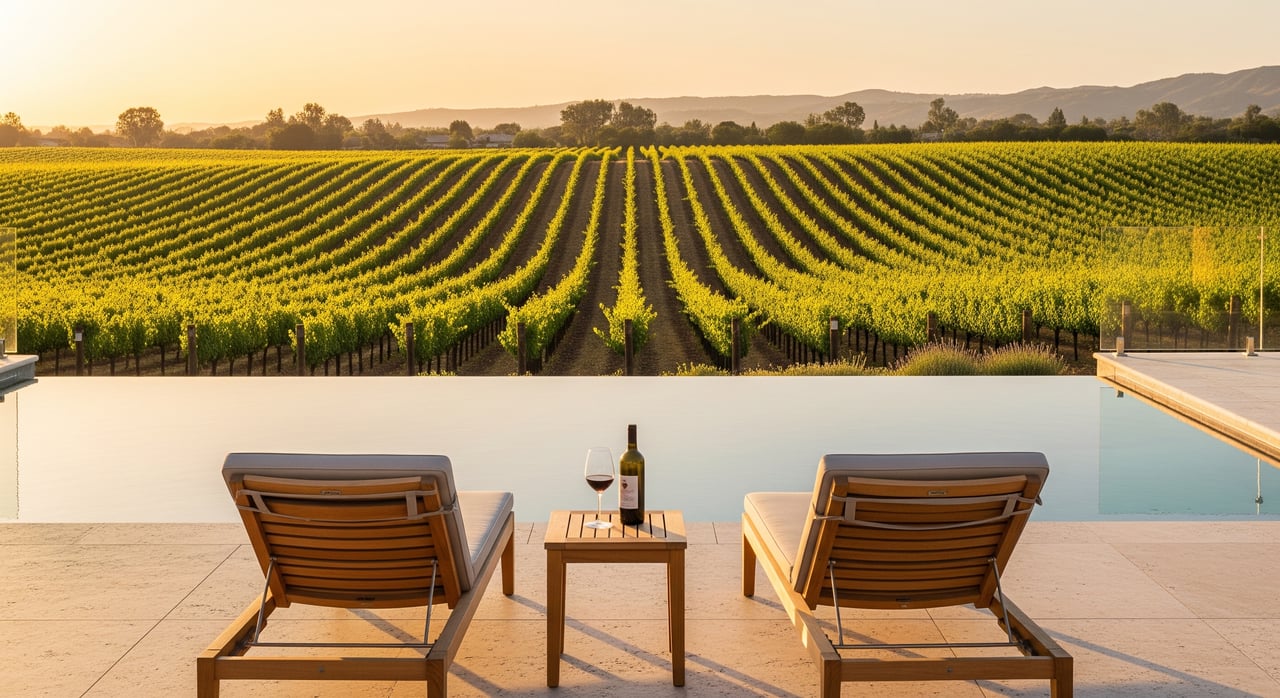
Picture waking up to rows of vines catching the morning light, with quiet roads during the week and lively tasting rooms on Saturdays. If you are weighing a move near Temecula’s wine country, you likely want the scenery and privacy without feeling cut off from everyday needs. This guide gives you a clear, local view of daily life, home options, commute tradeoffs, and what to check before you buy. Let’s dive in.
Where wine country sits
Temecula’s wine corridor spreads across rolling hills and valleys north and west of Old Town Temecula. Wineries and vineyards stretch along well-known roads like Rancho California Road, De Portola Road, Mercedes Road, and Jefferson Avenue. Instead of a compact district, you will find tasting rooms and vineyards dispersed over several miles, mixed with residential pockets and agricultural parcels.
Living here means you are close to scenic views and winery experiences, yet your exact feel depends on the road you choose. Some areas lean rural with larger lots. Others sit closer to suburban services and community amenities.
Climate and seasons
The area follows a Mediterranean pattern with warm, dry summers and cool, relatively mild winters. Outdoor living works most of the year, and growing conditions favor heat-tolerant grape varieties. Summer heat can be significant. Harvest season in late summer to early fall brings more activity on local roads and at wineries.
If you enjoy evening patio time, early morning walks, or views that change with the seasons, this climate supports that routine. Plan for sun management, hydration, and shade in the warmest months.
Weekday vs. weekend rhythm
Weekdays near the vineyards tend to be quieter with moderate local traffic. Expect more service vehicles during tourist season and harvest.
Weekends are a different story. Temecula’s wineries are a popular day trip, so tasting rooms, weddings, and festivals drive higher traffic, full parking lots, and more pedestrians. You may hear music from events or experience overflow parking near residential streets during peak times. Agricultural activity can also create periodic noise from tractors and harvest equipment.
The net effect is a calm weekday lifestyle with lively weekends. If you plan regular errands or hosting on Saturdays, time your trips to avoid event rushes.
Lifestyle and amenities
Living near wine country puts you close to outdoor amenities. You can find vineyard trails, hiking in nearby open spaces, golf courses, hot-air ballooning, and equestrian options. Many residents use tasting rooms for casual weekend meetups, dining, or small celebrations.
For daily needs, Old Town Temecula, the Promenade area, and established shopping corridors offer restaurants, grocery stores, and services. If you choose a larger rural parcel, expect longer drives to reach big-box retail, medical clinics, or after-school activities.
Homes you will see
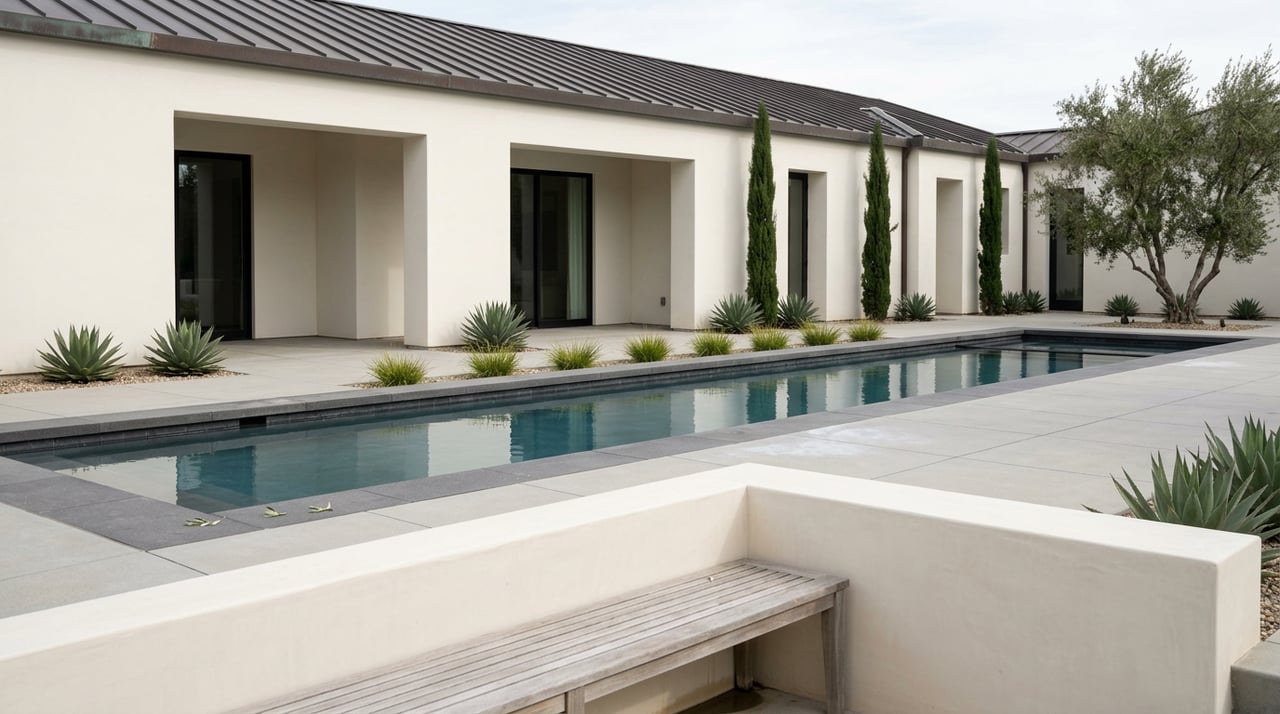
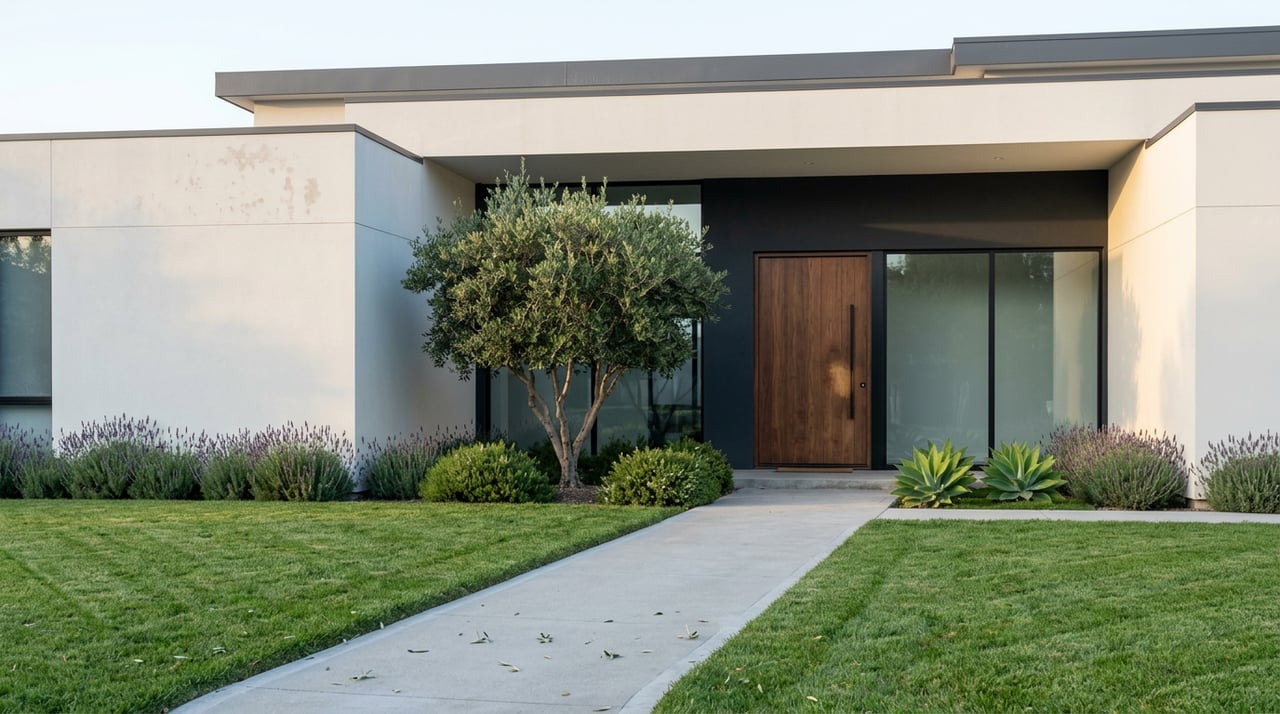
Housing near the corridor ranges from suburban single-family neighborhoods to larger estate, equestrian, or hobby-farm parcels. You will commonly see Mediterranean or Spanish-inspired homes, ranch styles, and contemporary suburban designs.
- Closer to the city center: More traditional subdivisions and master-planned neighborhoods with smaller lots and quicker access to shops and services.
- Near and within the vineyard zone: Larger lots that can run from about half an acre to several acres, plus agricultural or equestrian properties with specific land-use rules.
Short-term rentals exist in the broader area, but regulations and HOA covenants vary. Always check city and county ordinances and any HOA rules before you plan rental income.
Zoning and land-use basics
Parts of Temecula’s wine corridor use agricultural zoning to preserve vineyards and open space. This can limit subdividing or changing a property’s use. Some parcels may also be covered by agricultural conservation programs or easements that restrict development. These tools help protect the scenic character and working landscapes while shaping what you can build or expand over time.
Rural homes may rely on wells and septic systems instead of municipal water and sewer. That influences maintenance, inspections, and any future remodel plans. If you want to add structures or pursue a hobby vineyard, confirm the zoning, any contracts on title, and utility details before you move forward.
Costs and value drivers
Near the vineyards, buyers often pay a premium for scenic views, lot size, privacy, and proximity to winery amenities. At the same time, some factors can dampen value for certain buyers, like event traffic, weekend noise, or longer drives to shopping and schools.
Market conditions change, and pricing varies by neighborhood and parcel features. For up-to-date numbers on median prices and time on market, rely on recent local sales and current MLS data. Treat any figures as a snapshot at publish time and verify before making decisions.
Commuting and access
Interstate 15 is the region’s main north–south artery, connecting Temecula with inland Riverside County, Orange County, and San Diego County. Local arterials such as Rancho California Road and Murrieta Road feed into the network.
If you commute to major employment centers, build in time for peak-hour traffic. Tourist traffic on weekends and event days can slow drives near the wineries. Public transit options exist but are limited compared with denser urban cores, so most residents rely on cars.
A simple rule of thumb: if commute reliability matters, check your likely routes at the times you would normally drive, and consider how close you want to be to I-15 access points.
Services and schools
Temecula is served by local hospitals and clinics, with services concentrated near established commercial areas. The Temecula Valley Unified School District serves most of the city. Depending on where you live, rural parcels may require longer drives to schools, medical facilities, and extracurriculars.
Use official school boundary resources and confirm commute times during your typical drop-off or pick-up windows. If you value quick access to healthcare or after-school programs, aim for properties that balance lot size with proximity to service nodes.
Practical due diligence checklist
Before you write an offer, work through a focused checklist:
- Zoning and contracts: Confirm agricultural zoning, any conservation easements, and whether a parcel is under an agricultural contract that limits development.
- Utilities: Verify municipal vs. well and septic. Review water rights, well capacity, and septic system age and permits.
- Event impacts: Ask about nearby winery event schedules, parking, and noise patterns, especially on weekends and during harvest.
- Agricultural practices: Understand seasonal activities, including machinery use and potential pesticide or herbicide spraying. Ask about buffers and best practices.
- Fire and natural hazards: Review wildfire risk maps and prevention standards, and consider heat and drought planning.
- Access and road conditions: Check if roads are private or public, evaluate maintenance, and understand winter or storm access.
- Short-term rentals: Verify city or county rules and any HOA restrictions if you plan to host guests.
- Expansion plans: If you want to add barns, ADUs, or vines, confirm setbacks, permits, and design review requirements.
Who this lifestyle fits
You may love living near Temecula’s wine country if you value privacy, open views, and a slower weekday pace, and you do not mind lively weekends. If you want room for pets or equestrian interests, or you like hosting family and friends outdoors, larger lots near the vineyards can be a great match.
If you prefer walkable access to shops and restaurants, you may lean toward neighborhoods closer to Old Town or established commercial corridors, since many vineyard-adjacent parcels are car-dependent.
How to choose your area
Use these quick steps to narrow your search:
- Map your priorities: Decide if you care most about lot size, views, commute, or quick access to services.
- Test-drive the timing: Visit at a busy weekend hour and a weekday rush hour. Note noise, parking, and drive times.
- Walk the parcel: Check slopes, exposure, drainage, and how neighboring uses might affect your plans.
- Confirm the rules: Review zoning, utility details, and any CC&Rs or HOA guidelines.
- Compare property types: Tour a suburban home near town, a 1–2 acre ranchette, and a larger estate. The contrast will clarify what fits your lifestyle and budget.
Buying with confidence
The Temecula wine corridor offers a rare mix of everyday convenience and destination living. With the right due diligence, you can enjoy vineyard views, a flexible outdoor lifestyle, and a home that holds value over time.
Ready to explore properties near Rancho California Road, De Portola, or Jefferson Avenue, and want a smooth financing path? Work with a team that aligns your search, offer strategy, and mortgage in one plan. Tiffany Williams and our integrated HomeSight Mortgage partners can help you compare property types, confirm land-use details, and close with confidence. Let’s Connect.
FAQs
How busy are weekends near Temecula wineries?
- Weekends and event days bring higher traffic, fuller parking, and more pedestrian activity near tasting rooms, with the busiest periods during festivals and weddings.
What home types are common near the vineyards?
- You will see suburban single-family homes closer to town and larger lots, ranchettes, equestrian, and estate properties as you move into the vineyard zone.
Is public transit a realistic option in wine country areas?
- Public transit exists but is limited compared with urban cores, so most residents rely on cars for commuting and daily errands.
Are short-term rentals allowed near Temecula’s wineries?
- Some areas allow them, while city and county rules and HOA covenants can restrict them, so you should verify regulations for each address.
What should I know about utilities for rural parcels?
- Many rural homes use wells and septic systems instead of municipal service, which affects inspections, maintenance, and any future expansion plans.
Does living near vineyards affect property values?
- Proximity to scenic vineyards, larger lots, and privacy often supports a premium, while event traffic, weekend noise, and distance to services can offset value for some buyers.
What natural hazards should I consider?
- Wildfire risk is a key factor in foothill areas, along with heat and drought planning; review local prevention standards and water considerations for each property.