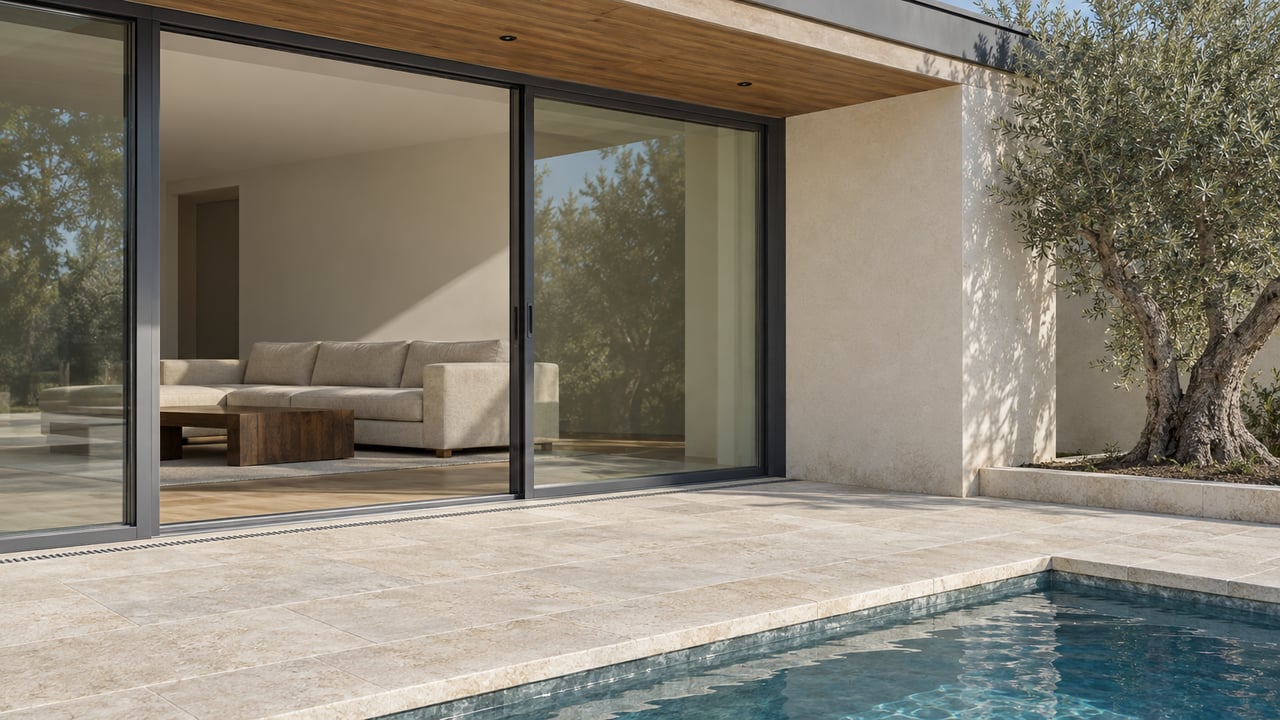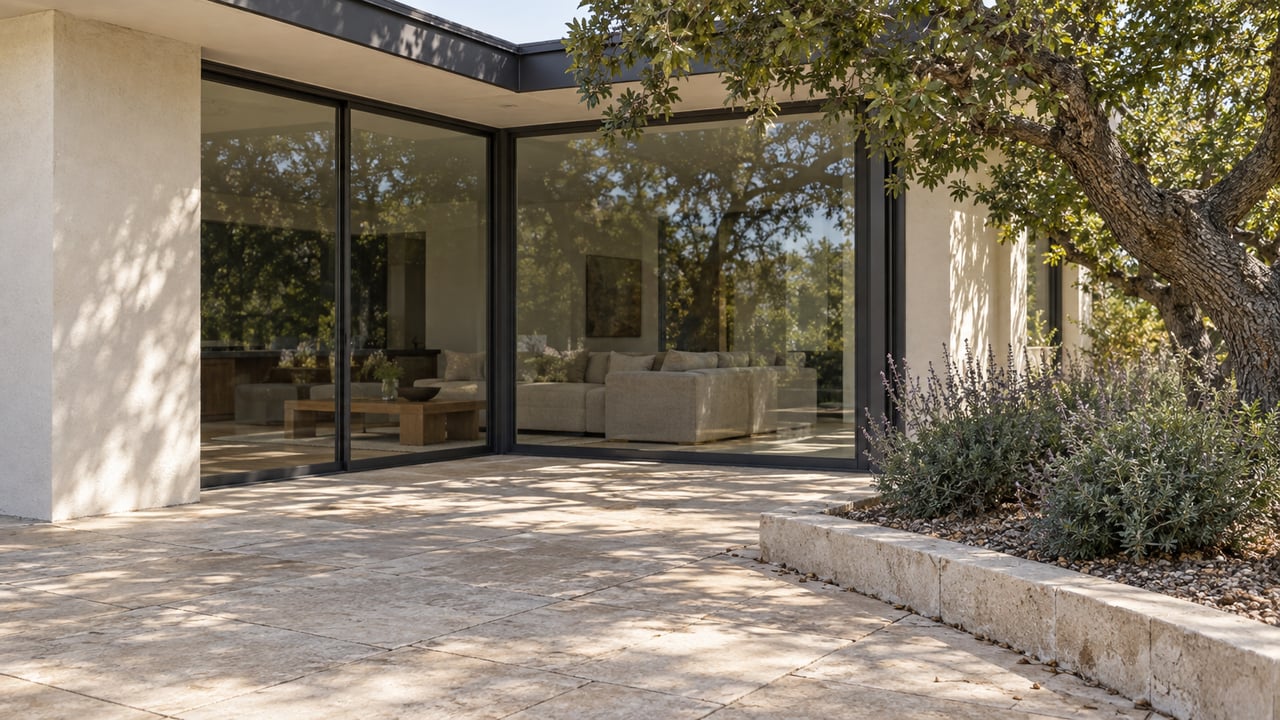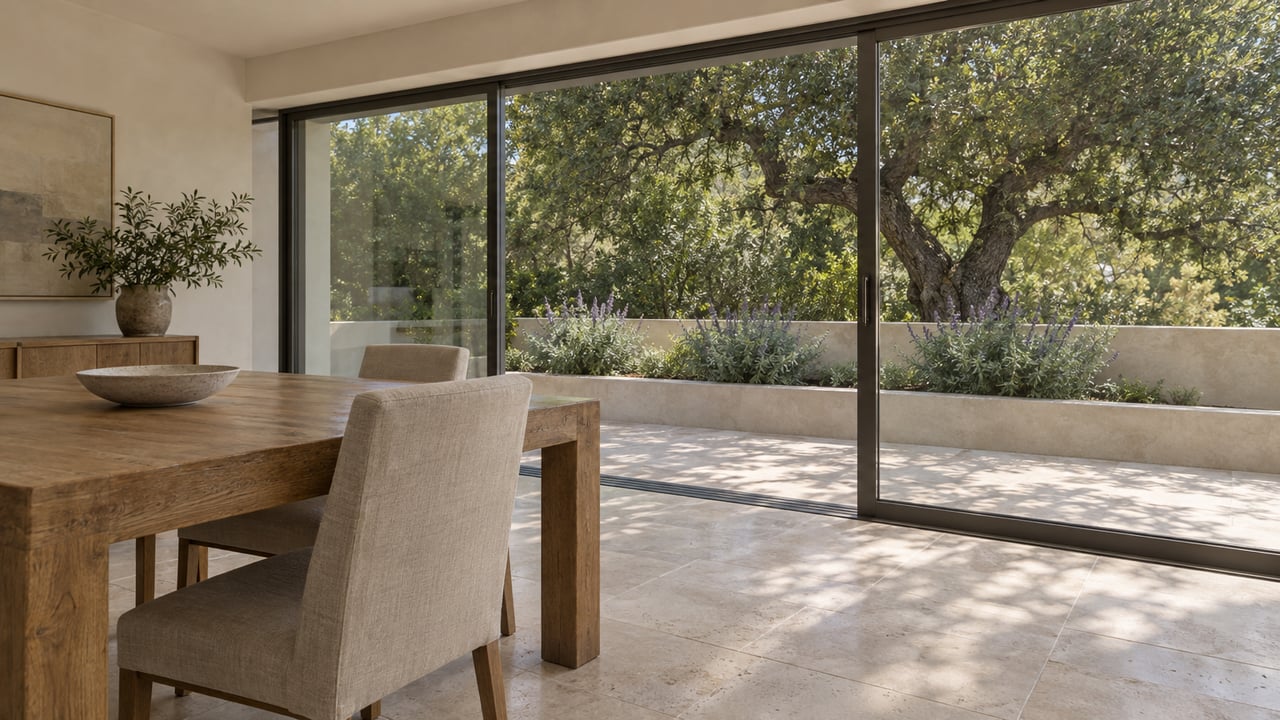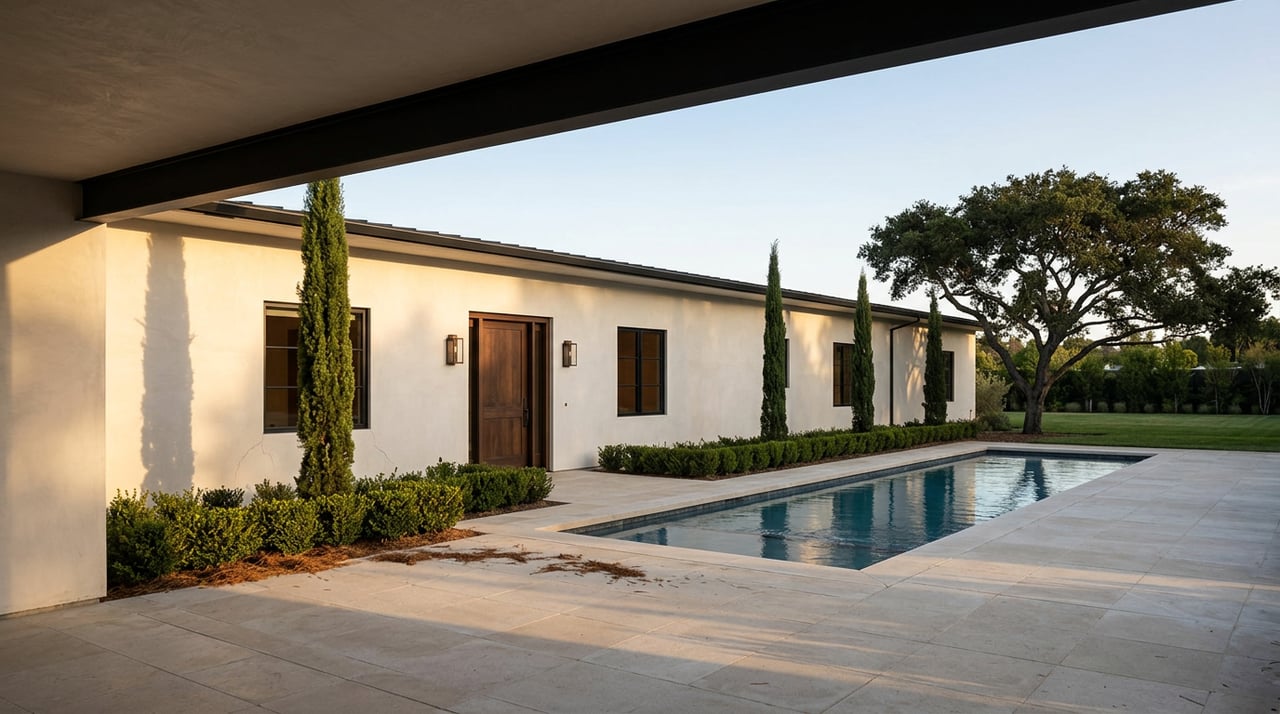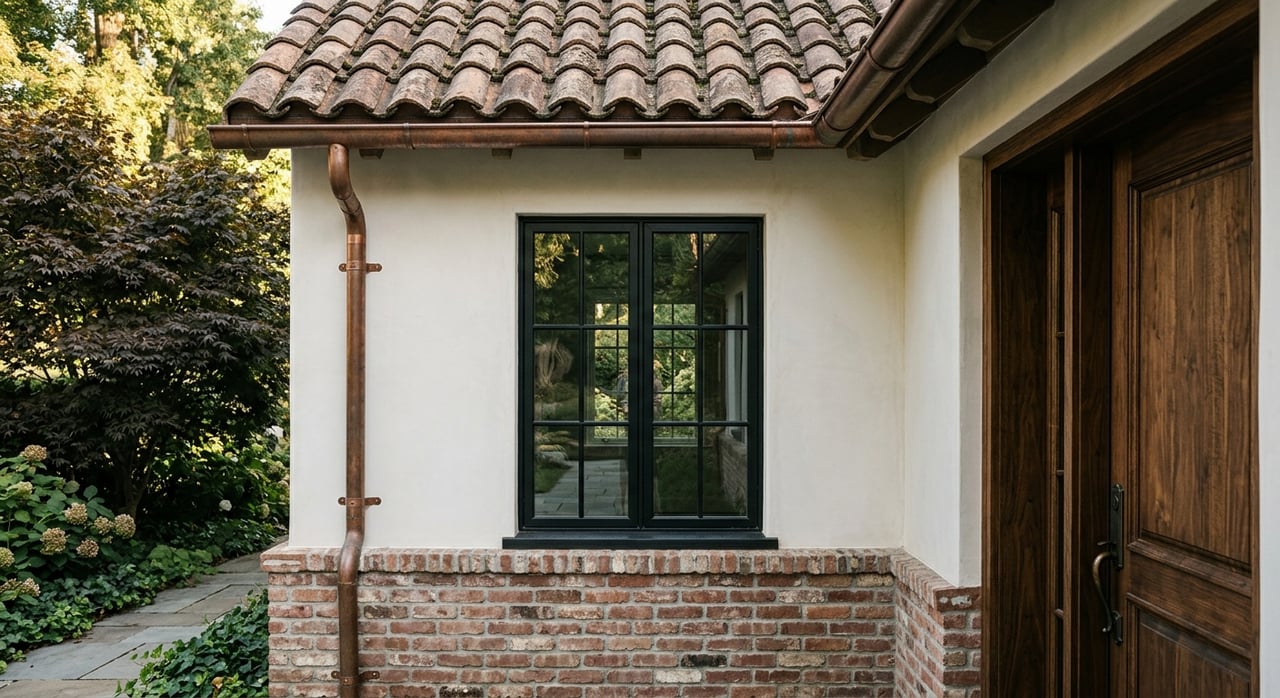
You can fall in love with a Fallbrook home in seconds, but buying the right one takes a closer look. In this part of San Diego County, charm often comes with larger lots, custom construction, mature trees, private systems, and site conditions that do not always show up in a quick walkthrough. If you are thinking about buying a custom or character home in Fallbrook, this guide will help you focus on the details that matter most so you can move forward with more confidence. Let’s dive in.
Why Fallbrook homes feel different
Fallbrook’s community plan describes the area as a low-density, agricultural, semi-rural community with a goal of preserving rural charm and village atmosphere. That matters when you shop for a home here because the setting is often part of the value, not just the square footage or finishes.
In many parts of Fallbrook, architecture, landscape, and topography work together. You may see homes influenced by Craftsman, Victorian, Ranch, Colonial, Cottage Mission, or Spanish styles, along with natural materials like wood, rock, brick, and stone. In Historic Fallbrook, the downtown area reflects some of the community’s early architectural character, which can add appeal but also means buyers should pay close attention to exterior changes and property history.
What makes a home custom or character-driven
A custom or character home in Fallbrook is often more than a standard resale with updated paint and flooring. These properties may sit on larger lots, include unique layouts, or blend residential use with light agricultural features such as groves.
The community plan also supports country-estate patterns and larger lot sizes in semi-rural and rural areas. That can mean more privacy and flexibility, but it can also mean more systems, more land to maintain, and more due diligence before you close.
Common property traits in Fallbrook
When you tour homes, you may notice features like:
- Larger lots or estate-style parcels
- Mature trees and natural terrain
- Sloped land, retaining walls, or graded pads
- Detached structures or additions
- Private roads or shared access roads
- Septic systems, private wells, or property-specific utility setups
These details are not automatically red flags. They simply mean you should evaluate the property as a whole site, not just the interior.
Start with permits and property records
Before you write an offer on a custom or character home, verify the property’s record history. In unincorporated San Diego County, Planning & Development Services provides public access tools that let buyers research permit history, parcel characteristics, and archived project documents.
This step is especially important if the home has had additions, conversions, accessory structures, retaining walls, or other improvements. A beautiful guest space, workshop, or expanded primary suite may look seamless today, but you still want to know whether the work was properly permitted and finaled.
Records to confirm early
Ask your agent to help you confirm items such as:
- Permit history for additions and remodels
- Final sign-off on completed work
- Parcel characteristics through County records
- Archived permit or project documents
- Any missing records that may require a public records request
County guidance also notes that some Conditions of Approval can take longer to review, including items related to fire district approval, flood control, septic review, and driveway review. That is one reason permit research should happen early in escrow, not at the end.
Verify sewer, septic, and well status
In Fallbrook, utilities can vary from one property to the next. Fallbrook Public Utility District supplies water and sewer to portions of the area, but it also states that some customers in its service area are on septic, and the district does not regulate wells or septic tanks.
That means you should never assume a home has sewer or public water based on the street, the area, or the style of the property. Utility verification needs to be specific to the parcel you are buying.
Questions to ask about utilities
Before removing contingencies, make sure you know:
- Is the home connected to sewer or using septic?
- Does the property have public water or a private well?
- Are there County records for the septic system?
- Are there water-quality test results for the well?
- Are there any gaps in the record history for these systems?
If a home has a private well, County guidance says potable water must be demonstrated before occupancy or change of use, and bacteria and nitrate testing are required at minimum before the County issues certain permits. If a home uses septic, the County regulates design, installation, inspections, and recordkeeping, and septic-related records may be available online through the Environmental Health Document Library.
Inspect the site, not just the house
One of the biggest mistakes buyers can make with a custom or older home is treating the inspection like an interior checklist. In Fallbrook, the site itself can be just as important as the kitchen, roof, or flooring.
The community plan places strong emphasis on preserving natural terrain, limiting grading impacts, and minimizing runoff, erosion, and siltation. That makes drainage, grading, and access important parts of your investigation.
Inspection priorities for Fallbrook homes
A strong inspection approach may include review of:
- Roof, exterior, and major interior systems
- Drainage patterns around the home and lot
- Grading, slopes, and retaining features
- Septic condition and maintenance records
- Well-water testing and recent results
- Driveway condition and property access
- Private road conditions and road agreements, if applicable
- Vegetation management and wildfire-related features
If the property is on septic, ask for pumping receipts, maintenance history, and any County permit or inspection records. County materials consistently frame septic systems as maintenance-dependent, so a system that has been regularly serviced tells you much more than a quick visual check.
If the property has a private well, ask for the latest water-quality results and confirm the testing was handled by an appropriate laboratory or qualified professional. The County notes that well owners remain responsible for ongoing water-quality safety.
Pay close attention to drainage and grading
Many Fallbrook properties are shaped by hillsides, natural contours, and mature landscaping. That is part of what gives the area its appeal, but it can also create long-term maintenance needs and repair costs if drainage was poorly handled.
Look beyond the home itself and study how water moves across the site. Ask about erosion, runoff, prior grading work, retaining structures, and any signs that the land has shifted or been overcut. Because the community plan emphasizes development that works with topography, the best properties often show thoughtful site design rather than excessive grading.
Understand road access and maintenance
Some Fallbrook roads are private, and the community plan notes that they may be maintained through road agreements or, in some cases, not maintained at all. This can affect both convenience and future costs.
If the home is accessed by a private or shared road, ask for all available documentation. You want to understand who maintains the road, how costs are shared, and whether any deferred work may become your responsibility after closing.
Check wildfire risk and home hardening
Wildfire resilience is a major part of buying in many parts of Fallbrook. County officials note that many areas are in high fire zones and may require special features in higher-risk areas.
Buyers should check the State Fire Marshal’s Fire Hazard Severity Zone classification by address and review the home’s condition with wildfire safety in mind. Buffer zones, defensible space, ember-resistant vents, and attention to eaves and openings can all matter.
Wildfire questions worth asking
As part of your due diligence, consider:
- What fire hazard severity zone is the property in?
- Is defensible space in place and maintained?
- Have vents, eaves, or openings been upgraded for ember resistance?
- Is vegetation close to the structure or access road?
- Will ongoing brush clearance or landscape work be needed?
This is not just about compliance. It is also about budgeting for ownership and understanding what it takes to care for the property over time.
Historic character can bring extra considerations
If you are buying in Historic Fallbrook or near a designated historic resource area, exterior changes may need extra scrutiny. The community plan encourages protection of historic structures and compatibility with buildings that help convey community character.
That does not mean you cannot personalize the home. It does mean you should verify whether past exterior work was properly handled and whether future changes may need a more careful review.
Budget for ownership, not just the purchase
A custom or character home in Fallbrook can be incredibly rewarding to own, but it often comes with a different maintenance profile than a more typical tract home. The purchase price is only one part of the financial picture.
Long-term budgeting may include septic pumping, septic repairs, periodic well-water testing, drainage upkeep, tree care, landscape maintenance, roof and vent upkeep, and ongoing defensible-space work. Fallbrook’s planning documents place real value on preserving mature trees, landforms, and the rural setting, so site care is part of ownership here.
A smart buying strategy for Fallbrook
The best way to buy a custom or character home in Fallbrook is to treat it as a property-specific investigation. Instead of relying on assumptions, confirm permits, verify utility systems, inspect the site carefully, and bring in the right specialists early.
That approach protects you from surprises and helps you buy with clarity. It also lets you enjoy what makes Fallbrook special in the first place, which is the mix of architecture, land, and rural character that gives these homes their lasting appeal.
If you are thinking about buying a custom or character home in Fallbrook, working with a team that understands unique properties, careful due diligence, and coordinated financing can make the process much smoother. Connect with Tiffany Williams for personalized guidance as you explore your options.
FAQs
What makes a Fallbrook home a character home?
- In Fallbrook, a character home often reflects distinctive architecture, natural materials, mature landscaping, unique site design, or a location tied to the area’s rural or historic setting.
What should you check before buying a custom home in Fallbrook?
- You should verify permit history, confirm whether the home uses sewer, septic, public water, or a private well, review available County records, and inspect the site for drainage, grading, access, and wildfire-related issues.
Why does septic and well verification matter for Fallbrook buyers?
- Fallbrook utility setups can vary by property, so buyers need to confirm system type, maintenance history, and available records rather than assume a home has public sewer or water.
How do you research permits for a Fallbrook property?
- Buyers can use San Diego County Planning & Development Services tools to review permit history, parcel information, archived documents, and, if needed, request records that are not available online.
What inspection issues are most important for older or custom homes in Fallbrook?
- The most important issues often include drainage, grading, septic condition, well-water quality, road access, vegetation management, and wildfire hardening, along with the home’s general structure and systems.
Are private roads common with Fallbrook properties?
- Some Fallbrook properties are served by private roads, and buyers should review any road-maintenance agreements and understand possible upkeep responsibilities before closing.