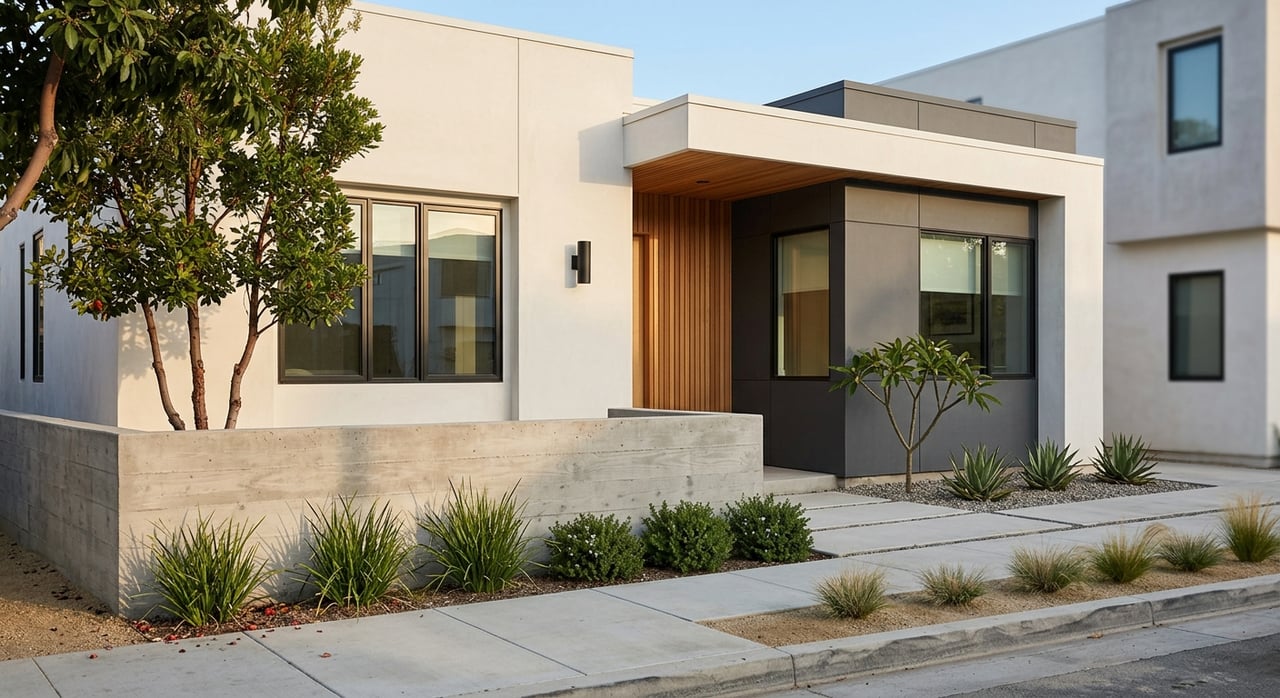
If San Diego has ever felt hard to pin down, you are not imagining it. One day you are touring a beach cottage near the sand, and the next you are walking through a historic hillside neighborhood filled with Craftsman details or a sleek condo near the urban core. That variety can feel exciting, but it can also make your search harder. This guide will help you understand how San Diego neighborhoods differ by setting, daily feel, and common home styles so you can narrow in on the areas that fit your goals. Let’s dive in.
Why San Diego Feels So Different
San Diego is shaped by 52 community planning areas, and that matters more than many buyers first realize. In practical terms, that means the city behaves less like one housing market and more like a collection of smaller micro-markets.
The setting often drives the vibe as much as the address itself. Sand, bay access, ocean bluffs, canyons, hillsides, and urban grids all influence how a neighborhood looks, feels, and functions day to day. The development era also plays a big role, which is why home styles can change quickly from one area to the next.
Across the city, you will see a wide mix of architecture. San Diego’s historic context includes Craftsman, Spanish Revival, Streamline Moderne, Minimal Traditional, Ranch, and Contemporary forms. That broad mix is one reason home shopping here can feel both fun and overwhelming.
Coastal Neighborhoods by the Water
If your ideal San Diego lifestyle includes ocean air, bay recreation, or a walkable beach setting, the coastal communities each offer a different version of that experience. Even neighborhoods that seem close together can have very different housing patterns.
La Jolla: Bluffs, Hillsides, and Infill
La Jolla sits about 12 miles north of Downtown and is defined by rugged ocean bluffs, steep canyons, hillsides, and the rise of Mount Soledad. Its commercial districts center around the Village, the Shores, and Bird Rock, which helps create several distinct pockets within the larger community.
La Jolla has been a vacation destination since the 1880s, and the area is about 99% built out. That means the current housing story is often more about infill, remodeling, and updates than large new subdivisions.
Historically, La Jolla included many small single-family summer cottages along the coastline and in the Village. Today, that legacy helps explain why the neighborhood can feel like a mix of classic coastal charm and refined, updated housing.
Pacific Beach and Mission Beach: Active Shoreline Living
Pacific Beach is an eclectic, primarily residential beach town bounded by Interstate 5, the Pacific Ocean, Mission Beach, Mission Bay, and La Jolla. The community has nearly 47,000 residents, about 1,500 businesses, and more than two miles of shoreline.
Most of Pacific Beach was built out after 1930, and the neighborhood blends residential areas with restaurants, shops, pubs, and bay-adjacent recreation. If you want an energetic coastal setting, this area often stands out for its activity and convenience.
Mission Beach feels different in scale and layout. It sits on a narrow sandbar or peninsula about two miles long and up to one-quarter mile wide, with Mission Bay on one side and the Pacific Ocean on the other.
Because building on sand was difficult, Mission Beach developed later than some nearby communities. Its identity still revolves around the boardwalk and Belmont Park, which gives the area a distinct shoreline-centered rhythm.
In both neighborhoods, the housing pattern reads as denser and more layered than a traditional detached-home suburb. You are more likely to find a mix of older beach housing, apartments, and condos shaped by the shoreline setting.
Ocean Beach: Classic Beach-Town Character
Ocean Beach is a 642-acre community where most development is low- and medium-density residential. The area includes North Ocean Beach, South Ocean Beach, and The Hill, along with commercial corridors on Newport Avenue, Voltaire Street, and Point Loma Avenue.
The city describes Ocean Beach as a traditional Southern California beach town that celebrates individuality and creativity. That description matches the built environment, which feels casual, established, and strongly tied to the outdoors.
From a home-style perspective, Ocean Beach is one of the clearest examples of layered coastal housing in San Diego. The neighborhood includes early cottages and bungalows, Craftsman and Spanish Revival bungalows, duplexes, bungalow courts, and postwar apartment forms.
Lifestyle is part of the draw here too. Dog Beach, which the city identifies as San Diego’s only 24-hour beach for dogs, adds to the neighborhood’s laid-back, outdoor-first identity.
Point Loma and the Peninsula: Views and Variety
Point Loma is one of San Diego’s oldest communities, with ocean views to the west and downtown and harbor views to the east. The broader Peninsula community is highly urbanized and includes many distinct neighborhoods, which is important if you are trying to compare home styles.
This area includes places such as Loma Portal, Fleetridge, La Playa, Sunset Cliffs, Loma Palisades, Roseville, and Liberty Station. That means the Peninsula is less one uniform neighborhood and more a collection of submarkets with different housing patterns.
La Playa is known for large single-family homes in colonial, Spanish, and contemporary styles. Loma Portal features Spanish styling, pastel stucco, and red tile roofs, while Fleetridge is mostly 1950s one-story single-family housing.
Ocean Beach Highlands mixes single- and multifamily structures, many from before World War II. Sunset Cliffs is largely single-family and mostly contemporary, while Loma Palisades is dominated by multifamily apartments. If you want view-driven living with several style options, Point Loma and the Peninsula offer a wide range.
Urban and Canyon Neighborhoods
If you are drawn to restaurants, walkable business districts, canyon views, or older homes with architectural character, San Diego’s urban-core and near-urban neighborhoods deserve a close look. These areas often blend history, convenience, and a strong sense of place.
Downtown, Little Italy, and Bankers Hill
Downtown San Diego includes eight neighborhoods: Gaslamp, East Village, Columbia, Marina, Cortez, Little Italy, Horton Plaza, and Core. The city describes Downtown as the center of its business, arts, and entertainment communities after two decades of redevelopment.
That setting points to a housing mix centered on condo, loft, adaptive-reuse, and mid-rise or high-rise living. If you want a more urban routine, these neighborhoods often align with that lifestyle.
Little Italy, near the North Embarcadero waterfront, is described as a pedestrian-friendly community with a premier business district and an innovative residential community centered on India Street. For many buyers, that means a balance of city energy and neighborhood identity.
Bankers Hill offers a different feel. North of Downtown and west of Balboa Park, it is described as a residential and small commercial hotspot with many Victorian and Craftsman homes, some converted to condominiums, law offices, and medical offices.
Hillcrest and Nearby Historic Neighborhoods
Hillcrest is known for restaurants, trendy stores, medical offices, and a mix of older homes with newer upscale apartments and condominiums. If you want a neighborhood with activity and a blend of housing types, Hillcrest often checks those boxes.
Mission Hills, in the hills above Old Town, is known for stately and unique homes, many dating to the early 20th century and carefully preserved. That gives the area a more established, architectural feel.
South Park is located between North Park and Golden Hill and is known for Craftsman-style homes. North Park has hundreds of classic Craftsman houses, tree-lined parkways, and canyon cul-de-sacs, which helps explain its strong neighborhood appeal.
Golden Hill is known for Victorian homes and downtown and harbor views. Together, these nearby communities show how much variety you can find within a relatively compact part of San Diego.
Kensington, University Heights, and Normal Heights
Kensington dates to a 1910 subdivision and is known for stone gateways, ornamental lighting, curving streets, and a miniature Main Street feel along Adams Avenue. That combination creates a distinct visual identity that feels different from the city grid found in other areas.
University Heights sits above Mission Valley and is surrounded by canyons, with a vibrant business district along Park Boulevard and Trolley Barn Park as a local anchor. The canyon setting adds a natural layer to an otherwise urban location.
Normal Heights is predominantly residential with eclectic small businesses along Adams Avenue and a strong street-fair identity. For buyers who want an established neighborhood with local business corridors, this area offers that blend.
Common Home Styles to Watch For
One of the easiest ways to make sense of San Diego is to connect neighborhood setting with likely home styles. You are not just choosing a map location. You are also choosing a type of housing story.
Here are some of the clearest broad patterns based on city neighborhood descriptions and historic materials:
- Craftsman and Spanish Revival: Common in North Park, Hillcrest, and Point Loma
- Victorian and Craftsman: Often associated with Bankers Hill and Golden Hill
- Beach cottages, bungalows, and bungalow courts: Strongly tied to Ocean Beach and older coastal pockets
- Condos, lofts, and adaptive reuse: Common in Downtown, Little Italy, Hillcrest, and parts of Bankers Hill
These broad categories can help you search more efficiently. If you already know you love a certain architectural look, that preference can point you toward the right neighborhoods faster.
How to Choose the Right San Diego Vibe
If you are trying to narrow your search, start with the setting first. In San Diego, that usually gives you a clearer answer than starting with a broad citywide label.
Ask yourself questions like these:
- Do you want to be near sand and a beach-town routine?
- Do you prefer bay access and water recreation?
- Are you drawn to bluffs or hillsides with layered views?
- Would you rather live near canyons and established residential streets?
- Do you want an urban grid with condos, shops, and restaurants nearby?
Then think about the home style that fits your goals. A buyer looking for a bungalow with historic character may focus very differently than someone looking for a modern condo or a larger single-family home in a view-oriented coastal area.
Why Local Guidance Matters in San Diego
Because San Diego behaves like a collection of micro-markets, neighborhood knowledge can make a big difference. Two areas that seem close on a map may have very different housing stock, daily rhythms, and opportunities.
That is especially true if you are balancing style, location, and financing at the same time. Having a team that understands both the neighborhood landscape and the mortgage side can help you move with more clarity and less stress.
Whether you are drawn to a classic beach bungalow, a historic Craftsman, or a polished coastal property, the right strategy starts with understanding how these neighborhoods actually live. If you want help matching your lifestyle and goals to the right San Diego area, connect with Tiffany Williams for personalized guidance.
FAQs
What home styles are common in San Diego neighborhoods?
- San Diego includes a wide mix of home styles, including Craftsman, Spanish Revival, Victorian, beach cottages, bungalows, Ranch homes, condos, lofts, and contemporary properties, depending on the neighborhood.
Which San Diego neighborhoods have classic beach-town housing?
- Ocean Beach is one of the clearest examples of layered beach-town housing, with cottages, bungalows, duplexes, bungalow courts, and postwar apartments, while Pacific Beach and Mission Beach also reflect denser coastal housing patterns.
Which San Diego neighborhoods are known for historic homes?
- Mission Hills, Bankers Hill, Golden Hill, North Park, South Park, and Kensington are among the neighborhoods associated with older housing and historic architectural character.
What makes La Jolla different from other San Diego coastal neighborhoods?
- La Jolla is shaped by ocean bluffs, steep canyons, hillsides, and established coastal districts, and because it is about 99% built out, much of its housing activity centers on infill and remodels.
Which San Diego neighborhoods feel more urban?
- Downtown, East Village, Little Italy, and parts of Bankers Hill are tied more closely to urban living, with condo, loft, adaptive-reuse, and mid-rise or high-rise housing patterns.
How should you start choosing a San Diego neighborhood?
- A smart first step is to choose by setting, such as sand, bay, bluff, canyon, or urban grid, and then compare neighborhoods based on the home styles and daily lifestyle that best match your goals.