Thinking about a place where you can trade crowded streets for open skies, fruit trees, and room to breathe? If you want a semi-rural lifestyle while staying connected to North County and the Inland Empire, Fallbrook may be a great fit. In this guide, you will learn what daily life looks like, how housing works on larger parcels, and what to verify before you buy or sell. You will also get practical tips to help you decide if Fallbrook aligns with your goals. Let’s dive in.
Fallbrook at a glance
Fallbrook sits in northern San Diego County and is known for its agricultural roots, especially avocados and citrus. You will find a small-town village core, equestrian properties, and homes on larger lots. Because it is unincorporated, San Diego County oversees planning and most public services.
Many people choose Fallbrook for space, privacy, and a slower pace. You are also within reach of coastal North County, Temecula, and other Inland centers for work and weekend plans.
Housing and neighborhoods
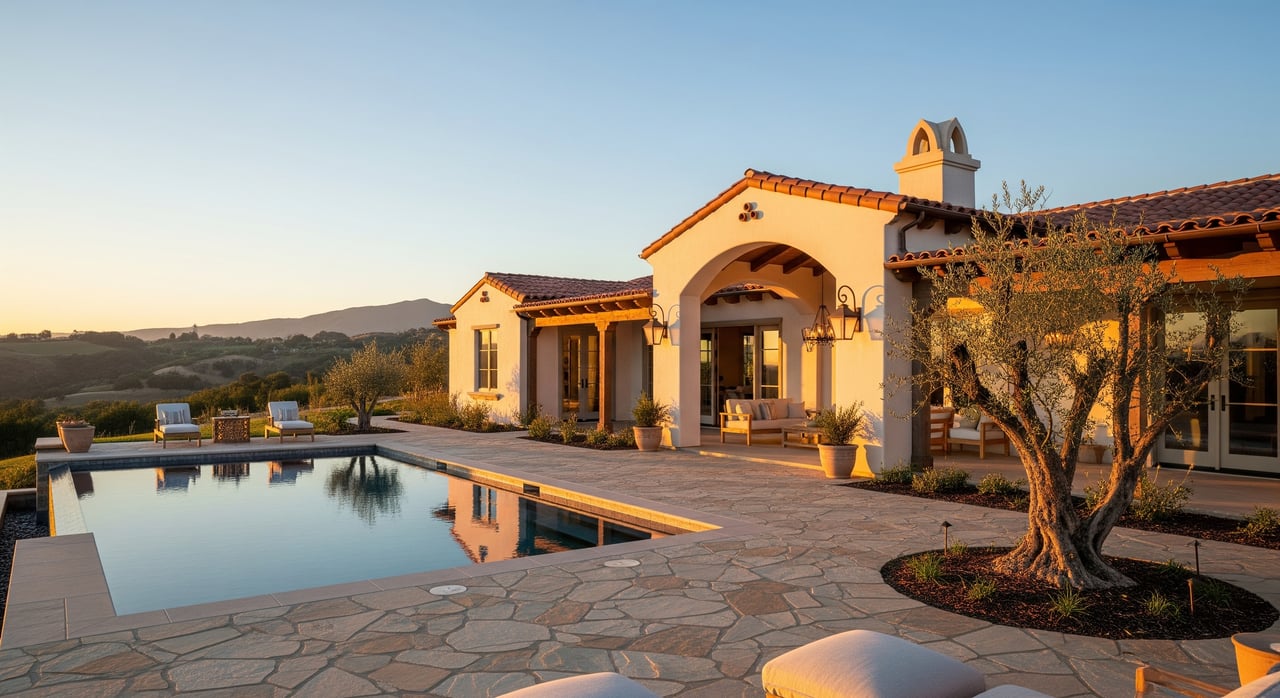
You will see a wide mix of homes, from traditional subdivisions near the village to estates on half-acre or multi-acre parcels. Single-family homes dominate the market, and many properties support horses, small-scale agriculture, or hobby farming. Multi-family options and large rental communities are more limited than in coastal cities.
Several factors shape value and lifestyle:
- Lot size and usable acreage. Equestrian or agricultural potential can add value.
- Proximity to town and highways. Being closer to shops and main roads helps reduce drive times.
- Utilities and services. Water district service, septic systems, and internet options vary by address.
- Views and privacy. Many homes offer vistas and a sense of seclusion that buyers value.
If you are selling, highlight acreage, water access or district service, equestrian improvements, upgrades to wells or septic, and any energy features like solar. If you are buying, plan extra time for due diligence on land use, utilities, and infrastructure.
What to check before you buy
Rural and semi-rural properties come with unique considerations. Use this quick checklist as you tour homes:
- Water and sewer. Confirm if the home is served by the Fallbrook Public Utility District or relies on a private well and septic. Ask about maintenance history and connection costs.
- Internet and cellular. Broadband availability varies by street and terrain. Verify speeds with providers for the specific address.
- Road access. Note private road agreements, easements, and maintenance responsibilities.
- Wildfire readiness. Review defensible space, clearance, and accessible routes. Insurance can be impacted by fire risk.
- Zoning and use. If you plan horses, crops, short-term rentals, or an ADU, confirm county zoning and permit requirements first.
- Property condition. Outbuildings, fencing, irrigation, and older agricultural systems may require upgrades.
Schools and education
Public education in Fallbrook is provided by local elementary and high school districts, with private and charter options in the region. School boundaries can influence your home search, so confirm the current attendance map for any address. For a full picture, review curriculum information, available programs, and district resources directly with the districts or the California Department of Education.
Families often ask about extracurriculars and childcare. You will find local preschools, youth sports, arts programs, and community activities in town, with additional options in nearby larger cities.
Getting around and commute
Fallbrook is mostly car dependent. Many residents commute to employment centers in Oceanside, Escondido, Temecula, and other North County areas. Reaching downtown San Diego usually takes longer, and travel times can vary with traffic and weather.
Public transit is more limited than in urban cores. Regional buses connect to surrounding cities, and rail options such as commuter or Amtrak service are available in nearby cities rather than inside Fallbrook. If you rely on transit or need a short commute, test your route during your actual drive times before you commit.
Parks, trails, and outdoor life
If you enjoy the outdoors, you will appreciate Fallbrook’s trail access and rural landscape. Local parks and community centers support sports and family activities, while nearby foothills and open spaces offer hiking and equestrian trails. You can also explore farmers markets, seasonal festivals, and a small but steady local arts scene.
Dining, shopping, and services
The village core features local restaurants, cafés, galleries, and specialty shops, including agricultural and equine services. For bigger retail runs, big-box stores, and certain medical specialists, residents often head to larger nearby cities. Many people like this balance of small-town daily life and access to broader services within a short drive.
Safety, hazards, and insurance
As an unincorporated area, law enforcement is primarily provided by the San Diego County Sheriff. Fire and emergency services are handled by county and local fire agencies. For crime and safety information, review official sheriff data and consider block-level details for specific neighborhoods.
Wildfire is a regional risk in inland Southern California. Evaluate defensible space, vegetation management, and local fire history for any property you consider. Insurance availability and premiums can be affected by fire risk, slope, and access. Work with your insurance agent early in the process so you understand coverage options and timelines.
Utilities and connectivity
- Water and sewer. Parts of Fallbrook are served by the Fallbrook Public Utility District or other districts. Many rural parcels use wells and septic. Confirm service maps, capacity, and recent inspections.
- Electricity and gas. Electric service is typically provided by the regional utility. Natural gas access varies by street; some properties use propane.
- Internet. Options can include cable, DSL, fixed wireless, or satellite. Service depends on the exact address and terrain.
- Trash and recycling. Services are contracted through the county or local haulers. Verify pickup schedules for your location.
Zoning, permits, and ADUs
Because Fallbrook is unincorporated, land-use decisions fall under the San Diego County Department of Planning and Development Services. The Fallbrook Community Planning Group serves as a local advisory voice. Zoning ranges from residential to rural-agricultural, and many parcels support equestrian or small-scale farming.
If you plan to build, remodel, run agricultural operations, or add an accessory dwelling unit, check county ordinances and permit steps before you write offers. Confirm any easements, water rights, or historical agricultural use that could affect development.
Cost of living and work
The cost of living reflects California housing and utilities, and many buyers find Fallbrook more affordable than some coastal San Diego neighborhoods. Local jobs include education, retail and services, and agriculture, with many residents commuting to other job centers. If you work hybrid or remote, double-check your home’s internet capacity to support your schedule.
Is Fallbrook right for you?
Fallbrook appeals to people who want space, privacy, and a small-town feel without giving up regional access. Common benefits include larger lots, equestrian and agricultural opportunities, and an active community calendar. Trade-offs include longer commutes, variable broadband in rural pockets, and wildfire risk that can affect insurance.
Here is a quick decision guide:
- Choose Fallbrook if you value acreage, a quieter setting, and time outdoors.
- Test drive it if you need a flexible commute to North County, Temecula, or coastal cities.
- Plan extra due diligence if you want horses, farming, an ADU, or a workshop.
How we can help
Fallbrook real estate rewards careful planning, from utilities and zoning to insurance and financing. Our team streamlines the process by coordinating your search, inspections, and loan options together. With an integrated mortgage partner and a hands-on approach, we help you move from first showing to closing with fewer surprises.
If you are considering a move to or from Fallbrook, reach out to Tiffany Williams for a local conversation about your goals. We will share property-specific guidance, timing strategies, and financing options so you can act with confidence.
FAQs
What is the community vibe in Fallbrook?
- Fallbrook offers a semi-rural lifestyle with a small-town village core, agricultural roots, and an active arts and events calendar.
How does commuting work from Fallbrook?
- Most residents drive to nearby job centers; public transit is limited, and rail access is in nearby cities, so test your route during peak hours.
Are there equestrian and small-farm properties?
- Yes, many parcels support horses and small-scale agriculture, but you should verify zoning, setback rules, and any animal ordinances with the county.
What should I know about wildfire risk?
- Evaluate defensible space and access, check local hazard maps, and talk to your insurance agent early because risk levels can affect coverage and premiums.
Will I have high-speed internet at my address?
- Internet speeds vary by location and provider; confirm actual service and speeds with ISPs for the specific property before you make an offer.
How are schools organized in Fallbrook?
- Public schools are served by local elementary and high school districts, with private and charter options nearby; confirm boundaries and programs with the districts.
What utilities should I verify before buying?
- Confirm water source and sewer or septic, electricity and gas availability, internet options, trash and recycling service, and any private road maintenance terms.